
Takarajima Senkou
A dyeing studio in Ōki Town, Fukuoka specializing in natural dyes
Videos & Posts
1
-
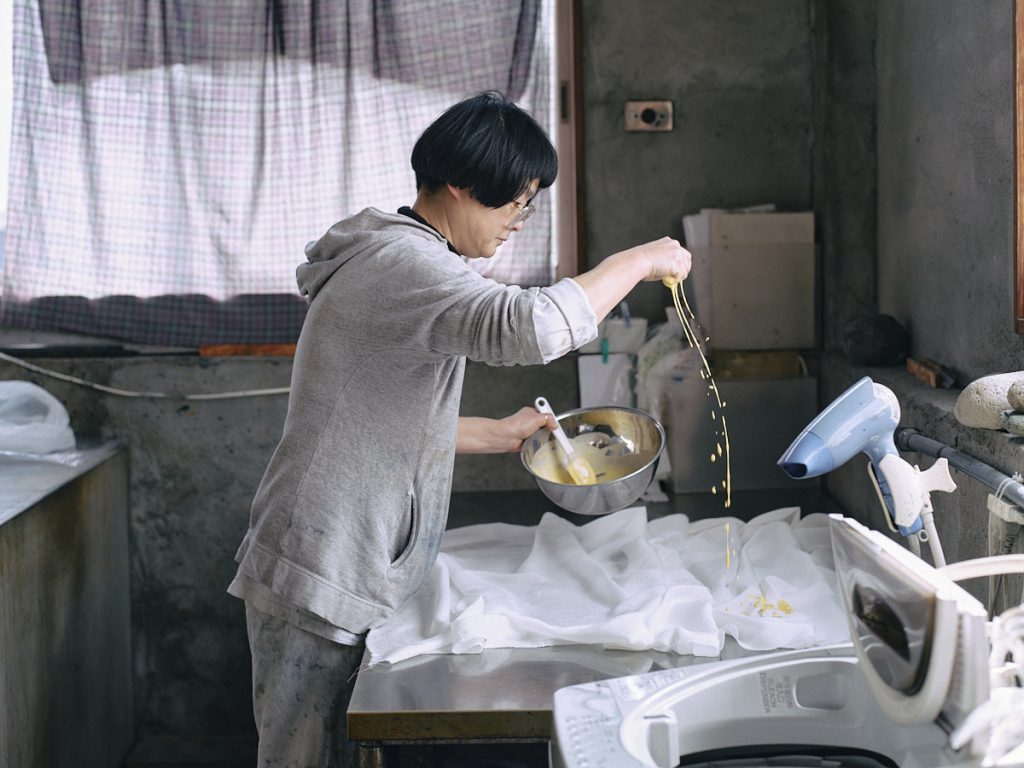
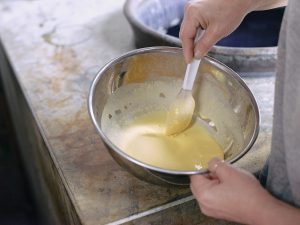
Resist dyeing using a chickpea paste
-

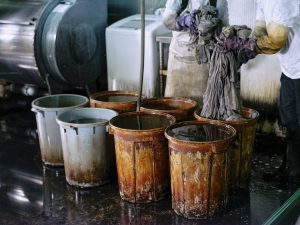
The indigo dyeing process using Indian indigo


A dyeing studio founded in 2001 in Ōki Town, Fukuoka, specializing in natural dyes. While practicing hand-dyeing techniques such as indigo and plant-based dyeing, it operates primarily through OEM production, supporting small to medium-scale manufacturing and achieving a balance between craftsmanship and industrial production. In recent years, it has expanded into original brands, dyeing on diverse materials, and spatial expression, broadening the possibilities of natural dyeing.
Features
- Strength: Specialized dyeing techniques using natural dyes
- Strength: Balance between hand-dyeing and medium-scale productionCapability to work with a wide range of materials
- Strength: Capability to work with a wide range of materials
- Strength: Expansion into broader expressions (brand and spatial design)
- Challenge: Not suited for mass production
- Challenge: Limitations in color reproducibility and lead times
Our Abilities
Natural dye mastery and scalable hand-dyeing craftsmanship
- Natural dyeing techniques (indigo, plant-based dyes)
- Expertise in using natural dyes to create rich, organic color variations unique to each material.
- Resist-dyeing methods (e.g., paste resist, shibori)
- Use of techniques such as chickpea paste resist and traditional shibori to control patterns and textures.
- Hand-dyeing production control
- Ability to standardize and manage hand-dyeing processes for consistent quality at small to medium production scales.
- Material adaptability
- Capability to dye not only textiles but also materials such as wood, paper, and leather.
- Color development and experimentation
- Continuous exploration of new color expressions through combinations of natural dyes, materials, and techniques.
Embracing Nature, Crafting for the Future
We are committed to working with natural dyes while striving to sustain the value of handcraft within a modern industrial context. Rather than viewing the inherent variations and uncertainties of natural dyeing as limitations, we embrace them as rich expressions born from dialogue with materials and the environment, and seek to share their appeal with society.
At the same time, we aim not to confine our work as “art,” but to realize it as “products” used in everyday life. To achieve this, we continually refine our quality control, reproducibility, and production processes. While respecting traditional techniques, we also challenge ourselves to explore new materials and fields, expanding the possibilities of natural dyeing and carrying it forward into the future.